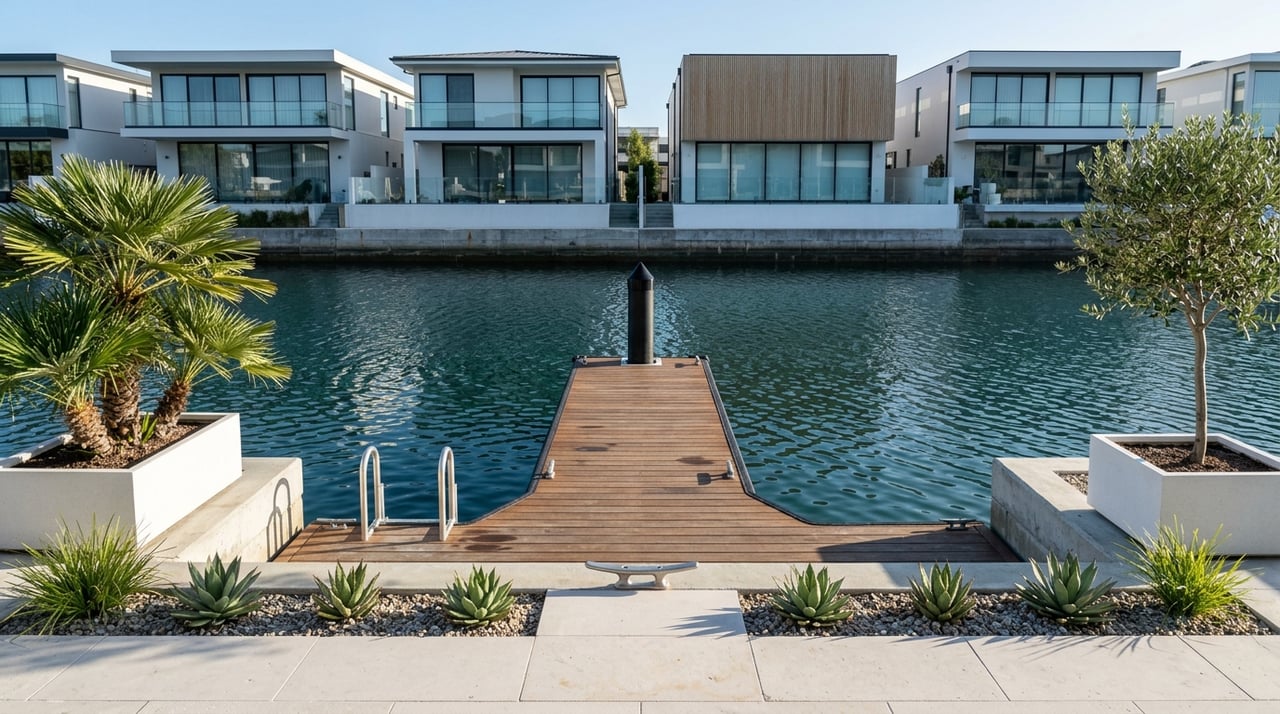
Thinking about buying near Newport Harbor? The view is easy to fall in love with, but harbor living in Newport Beach is about much more than scenery. If you want a home that fits your boating plans, budget, and day-to-day lifestyle, you need to understand how water access, permits, HOAs, and city rules all work together. Let’s dive in.
What Harbor Living Means
Newport Harbor is more than 3 miles long, stretches into Back Bay, and is described by the City as one of the largest recreational harbors in the United States. That scale shapes daily life in a very real way. Harbor living here means active boating traffic, public access areas, and city oversight that can affect how you use the waterfront.
In Newport Beach, harbor living also takes different forms depending on where you buy. The Balboa Peninsula sits between the harbor and the Pacific, while Lido Marina Village offers a harborfront commercial setting with Lido Isle nearby. The harbor islands include several strictly residential communities, and Balboa Island combines residential areas with some small commercial uses.
That mix matters because not every waterfront address offers the same experience. Some homes feel tucked away and residential, while others place you close to public amenities, dining, or boating activity. As a buyer, it helps to look beyond the address and focus on how each location functions day to day.
Where Harbor Buyers Commonly Look
The city’s community layout shows several well-known harbor settings, each with its own ownership pattern and lifestyle rhythm. Strictly residential island communities include Bay Island, Collins Island, Harbor Island, Lido Isle, Linda Isle, Little Balboa Island, and Newport Island. Balboa Island stands apart slightly because it includes homes along with some small-scale commercial uses.
You may also come across marina-adjacent properties or mixed-use areas rather than purely residential neighborhoods. The Balboa Yacht Basin redevelopment materials, for example, describe a site that includes apartment units, office space, storage garages, and marina functions. That is a useful reminder that some harbor-area properties blend residential and boating uses in one setting.
For many buyers, the right fit comes down to priorities. If you want a quieter residential environment, one type of location may stand out. If you want easier proximity to marina services, dining, or public boating amenities, another may make more sense.
Property Types You’ll See
Most harbor-area buyers will encounter three broad property types. These usually include waterfront single-family homes with pier or mooring access, condos or planned developments with HOA oversight, and marina-adjacent properties near city boating facilities.
If you buy a condo or planned development in California, you are often buying into a common interest development. That usually means ownership of your unit or lot plus an interest in shared common areas, along with HOA membership. In practice, that can bring dues, rules, maintenance standards, and association review for certain property changes.
This becomes especially important on the harbor because the water side of a property is not always controlled by the homeowner alone. Some rights and uses may depend on HOA documents, city permits, or public tidelands rules. A waterfront address can be very appealing, but the details behind that address are what define how usable it really is.
Water Access Is Not Automatic
One of the biggest mistakes buyers can make is assuming a harborfront home automatically comes with direct boat-ready access. In Newport Beach, the city uses different systems for private piers, moorings, mooring licenses, guest slips, and marina rentals. Those are not interchangeable.
That means you should verify exactly what is included in the sale. A home may have a view but no direct water right. Another may include a transferable pier permit, while another may depend on a separate city-managed mooring arrangement.
This is where careful due diligence matters. Before you get attached to a property, confirm whether the sale includes a transferable permit, a city mooring arrangement, or no water access beyond proximity to the harbor.
Understanding Docks And Pier Permits
If a property includes a private dock or pier, the city requires a permit-transfer process at close of escrow. That process includes an inspection, original buyer and seller signatures, and a transfer fee before the permit moves to the new owner.
This is important because the dock itself is not just a casual improvement attached to the home. Newport Beach also regulates waterfront construction and reviews pier and float extensions beyond the pierhead line. If you are planning future dock changes, expect city approvals to be part of the process.
For buyers, the takeaway is simple: verify the permit status early. You will want to understand what is legally in place now and what approvals may be needed later if you hope to modify the waterfront improvements.
Moorings, Licenses, And Slips
Moorings are a separate category from private piers. For 2025, Newport Beach lists offshore moorings at $3.41 per lineal foot per month and onshore moorings at $1.70 per lineal foot per month, with rates adjusted annually by CPI. Onshore moorings are for vessels 18 feet and under.
The city also offers a mooring license program for people who want a longer-term city mooring without buying a transfer permit. According to the city, a mooring license is month-to-month, uses city-owned tackle, costs more per month than a mooring permit, and is not transferable. The city also states that no mooring may be leased or rented by the permittee to another person.
If you are comparing homes based on boating convenience, these distinctions matter. The value of a property can feel very different depending on whether you have a private dock, a city-managed mooring, access to marina rentals, or no dedicated setup at all.
Channel Depth Matters Too
Even if a home offers water access, your boat still needs to work with local conditions. Newport Beach says the center of the main channel is about 20 feet deep, the outside about 8 feet, and depth along Lido Isle can be as little as 9 feet. Boats drawing more than 6 feet need to pay special attention to the tide outside the main channel.
That means the size and draft of your vessel should be part of your home search conversation. A property that looks ideal on paper may be less practical if your boat needs deeper water than the nearby channel regularly provides.
This is one of those details that can have a big impact on everyday usability. If boating is central to your lifestyle, make sure the property and the harbor conditions truly match your needs.
City Boating Options Nearby
Not every buyer needs private dock ownership. Newport Beach also has city-managed boating options that may add flexibility depending on how often you are on the water.
Marina Park on the Balboa Peninsula includes a sailing center, guest-slip reservations, parking, and a 10.5-acre park. Balboa Yacht Basin is a city marina with 172 slips for vessels from 31 to 75 feet, and its amenities include fresh water, electricity, dock-box storage, restrooms, showers, parking, and security cameras.
For shorter stays, the harbor also includes guest moorings, Marina Park guest slips, and a public anchorage between Lido Island and Bay Island. The anchorage has a minimum depth of about 10 feet, is free for vessels under 80 feet, and is limited to 72 hours unless the Harbormaster grants an extension.
HOA And Ownership Questions
If the home is part of an HOA, your due diligence should go beyond dues alone. HOA documents may address docks, parking, exterior changes, guest use, and maintenance responsibilities. Those rules can directly affect how you use both the home and any associated waterfront features.
California guidance for homeowner associations notes that HOAs typically collect dues and assessments. In a harbor setting, that can be especially relevant because shared infrastructure and common areas may require ongoing maintenance and reserve planning.
Before moving forward, review the CC&Rs carefully. You want a clear picture of what the association maintains, what you maintain, and what approvals are required for changes or use.
Budget Beyond The Purchase Price
Harbor living often comes with added costs beyond the home itself. Depending on the property, you may be looking at HOA dues, special assessments, city mooring or slip charges, permit-transfer fees, inspection costs, liveaboard permit fees, and ongoing upkeep for docks, boats, seawalls, and waterfront systems.
Those costs do not mean a property is not worth it. They simply mean the total ownership picture should be part of your decision from the beginning. A polished buying strategy looks at the full monthly and long-term expense, not just the list price.
This is especially important in Newport Beach, where two homes with similar price points may offer very different water access and maintenance obligations. Understanding that difference early can help you buy with more confidence.
Flood Exposure Deserves Attention
In Newport Beach’s bay area, flood review is an important part of the process. The city classifies West Newport, Balboa Peninsula, and Newport Bay as low-elevation areas and notes that flood hazard areas are subject to periodic inundation.
The city also provides FEMA flood maps and elevation-certificate resources for buyers and insurers. It participates in the National Flood Insurance Program, but it also notes that elevation certificates are only available for a portion of the properties that need them.
For buyers, this means you should ask early whether the home is in a low-elevation or flood-hazard area and whether an elevation certificate is available. That information can affect both insurance planning and lender requirements.
Daily Harbor Rules To Know
The Newport Harbor lifestyle comes with clear day-to-day rules. The harbor is a no-wake zone with a 5 mph speed limit, a no-discharge zone, and quiet hours from 10 p.m. to 7 a.m. The city also maintains 10 public pump-out stations around the harbor.
These are not minor details. They shape how boaters move through the harbor, how noise is managed, and how water quality is protected. If you are drawn to the waterfront lifestyle, it helps to understand that shared-water etiquette is part of the experience.
For many buyers, that structure is part of what keeps the harbor functional and enjoyable. It supports navigation, safety, and the day-to-day stewardship of a very active public waterway.
Liveaboard Plans Need Extra Review
If you hope to live aboard a vessel, you will need to confirm more than just mooring access. Newport Beach requires a separate permit to live aboard a vessel at a mooring.
The city states that the applicant must already have a valid mooring permit and a vessel that serves as the principal residence. Liveaboard permits are valid for 12 months, renewals must be filed at least 60 days before expiration, and the permits are not transferable.
If liveaboard use is part of your plan, verify availability and terms before you buy. This is one area where assumptions can create major surprises later.
Smart Questions To Ask Early
A harbor purchase usually goes more smoothly when you ask detailed questions up front. A few practical ones can save time, protect your budget, and help you compare properties more accurately.
- Does the sale include a transferable pier permit, a mooring permit, a mooring license, or no direct water right?
- If there is a dock, what inspections or city approvals must be completed before closing?
- If the home is in an HOA, what do the governing documents say about docks, parking, exterior changes, guest use, and maintenance?
- Is the property in a low-elevation or flood-hazard area, and is an elevation certificate available?
- If you want to live aboard a boat, is a liveaboard permit available and does that arrangement fit your plans?
Why Newport Harbor Still Appeals
For many buyers, the appeal of harbor living is easy to understand. You are close to boating, paddleboarding, sailing, waterfront dining, and well-known spots like the Balboa Ferry, Ocean Front Walk, Marina Park, Lido Marina Village, and Mariner’s Mile.
At the same time, the best harbor purchase is rarely just about the postcard view. It is about finding the right mix of location, water access, ownership structure, and ongoing costs for the way you actually want to live.
If you are exploring harbor homes in Newport Beach, a clear, detailed buying strategy can make all the difference. When you are ready for hands-on guidance, local insight, and a more predictable path forward, connect with Aymi Lau.
FAQs
What does harbor living in Newport Beach usually include?
- Harbor living in Newport Beach can include waterfront homes with docks or moorings, condos or planned developments with HOA oversight, and marina-adjacent properties near public boating amenities.
What should Newport Beach homebuyers verify about dock access?
- Newport Beach homebuyers should confirm whether a property includes a transferable pier permit, mooring permit, mooring license, or no direct water right, and whether any city inspections or approvals are required before closing.
What are Newport Beach mooring costs for buyers to know?
- For 2025, the city lists offshore moorings at $3.41 per lineal foot per month and onshore moorings at $1.70 per lineal foot per month, with annual CPI adjustments.
What flood questions should Newport Beach harbor buyers ask?
- Buyers should ask whether the property is in a low-elevation or flood-hazard area and whether an elevation certificate is available for insurance or lending purposes.
Can you live aboard a boat in Newport Beach Harbor?
- You may be able to live aboard a boat with a separate city permit, but you must already have a valid mooring permit, and the liveaboard permit is valid for 12 months and is not transferable.
What daily harbor rules affect Newport Beach waterfront living?
- Newport Harbor operates as a no-wake zone with a 5 mph speed limit, a no-discharge rule, and quiet hours from 10 p.m. to 7 a.m.
