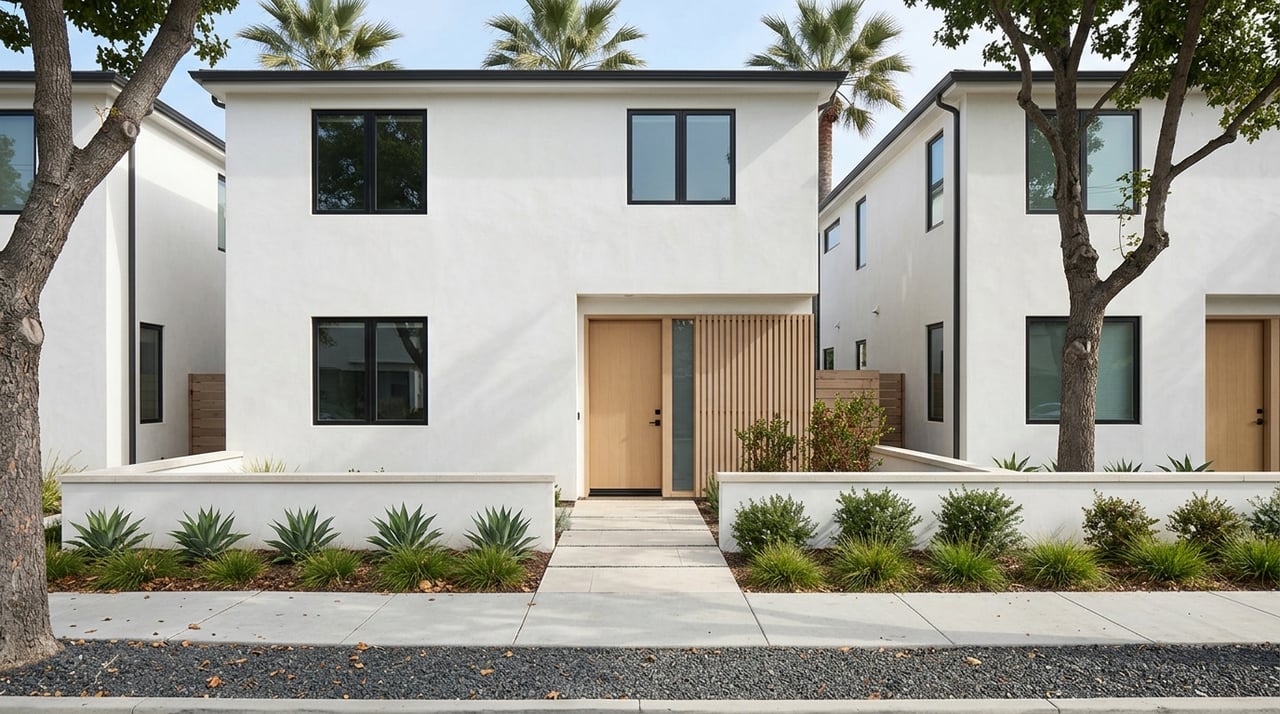
If you want a more walkable lifestyle in Orange County, Costa Mesa deserves a closer look. The key is knowing that walkability here is not the same in every neighborhood, so your day-to-day experience can change a lot from one pocket to the next. In this guide, you’ll learn where Costa Mesa feels the most car-light, what each area is best for, and what to check when you tour homes. Let’s dive in.
How walkable living works in Costa Mesa
Costa Mesa is best understood as a city of walkable pockets rather than one fully walkable grid. City planning documents identify key commercial corridors like South Coast, Bristol Street, Harbor Boulevard, East 17th Street, North Newport Boulevard, South Newport Boulevard, and West 19th Street, which helps explain why convenience clusters in certain areas.
That matters if you are home shopping with lifestyle in mind. Two homes may be only a short drive apart, but one may give you easy access to dining, coffee, parks, and errands on foot, while the other may feel much more car-dependent.
The city’s planning framework also supports walking and biking as valid forms of transportation. Its Active Transportation Plan and Pedestrian Master Plan update focus on improving connectivity, encouraging non-auto trips, and supporting quality of life.
Eastside Costa Mesa and 17th Street
If you want neighborhood convenience, Eastside is one of Costa Mesa’s strongest walkable pockets. The city describes the area as packed with dining, shopping, and nature, with the 17th Street Promenade serving as its central corridor.
The promenade stretches about a mile and brings together a steady mix of shops and restaurants. For many buyers, this is the kind of area where casual meals, coffee stops, and quick errands can fit more naturally into daily life.
Eastside can be especially appealing if you want a lively local rhythm without relying on a major mall or entertainment complex. It offers a more neighborhood-scale version of walkable living, centered on a well-known retail strip.
Why Eastside stands out
Eastside works well if your ideal day includes walking to everyday spots instead of getting in the car for each stop. It is one of the clearest examples in Costa Mesa of a corridor that supports a car-light routine.
When you tour homes here, pay attention to how easily the property connects to 17th Street and whether the route feels comfortable on foot. Small details like direct sidewalks, calmer crossings, and short distances can shape how often you actually walk.
South Coast Metro for shopping and arts
South Coast Metro is Costa Mesa’s strongest shopping and arts hub. Travel Costa Mesa describes it as the city’s downtown and dining and shopping center, anchored by South Coast Plaza and Metro Pointe.
This area also includes major cultural destinations such as Segerstrom Center for the Arts, South Coast Repertory, Argyros Plaza, the Orange County Museum of Art, and surrounding public art. If you enjoy having retail, dining, and performances close together, this district offers one of the most active lifestyles in the city.
The feel here is different from Eastside. Rather than a neighborhood main street, South Coast Metro has a more urban entertainment pattern built around major destinations.
Who South Coast Metro fits best
This pocket may be a strong fit if you want access to big-format shopping, restaurants, and arts venues in one area. It is especially useful for buyers who value convenience around leisure and entertainment rather than only quick daily errands.
When viewing homes nearby, think about how often you would realistically use these destinations during the week. Walkability works best when it supports your real habits, not just an appealing idea on paper.
SoBECA for creative, social energy
If you prefer independent businesses and a more design-forward atmosphere, SoBECA deserves attention. The city’s neighborhood guide groups together The LAB, The CAMP, Mitsuwa Marketplace, and local breweries as part of this district.
The LAB describes itself as a recycled factory turned indoor-outdoor hangout that supports small business. The CAMP describes itself as an eco-friendly retail campus open daily, while the OC Mart Mix at South Coast Collection hosts a Saturday farmers market with food trucks, produce, tastings, and live music.
This gives the area a distinct personality. Compared with more traditional shopping districts, SoBECA feels more curated, social, and centered on independent retail, coffee, and gathering spaces.
What daily life can feel like in SoBECA
For some buyers, SoBECA offers the most appealing version of walkable living because it blends errands with lifestyle. You may be able to pair a coffee run, a casual meal, a fitness stop, and a market visit into one outing.
If you are considering a home nearby, check whether the route to these spots feels direct and comfortable. In a pocket-based city like Costa Mesa, the quality of that connection matters just as much as the distance.
Central Costa Mesa and Westside
Central Costa Mesa and Westside offer another version of walkable living. Travel Costa Mesa highlights Central Costa Mesa for the OC Fair & Events Center, Triangle Square, and nightlife, while Westside is described as a growing area of converted warehouses and garages with local arts and unique dining.
Triangle Square adds a compact outdoor setting with bowling, a cinema, and eateries. City planning also identifies the 19 West Urban Plan around West 19th Street and Harbor Boulevard as a mixed-use corridor, which gives useful context for buyers watching this part of the city evolve.
This area can appeal to buyers who want an urban feel that is still taking shape. It may not offer the same kind of polished retail concentration as South Coast Metro, but it does offer energy, activity, and mixed-use potential.
What to notice in Central and Westside
If you are drawn to these areas, pay attention to block-by-block differences. In evolving corridors, one section may feel highly connected and active, while another may still function more like a drive-to area.
This is where touring with a local lens matters. You want to understand not just what is nearby, but how the neighborhood actually works at different times of day.
Parks and trails count too
Walkable living is not only about shops and restaurants. In Costa Mesa, access to parks and trails can play a big role in how connected and active your daily routine feels.
Fairview Park is the city’s largest park, with 208 acres and 7 miles of trails. It also connects to the Santa Ana River Trail and Talbert Regional Park, giving you broader outdoor access beyond the park itself.
Lions Park is another important everyday amenity, with a library, recreation center, community center, and fire station. The city also says it maintains 30 parks, 21 of which are reservable, which adds to the broader public-life network across Costa Mesa.
Best fit for park access
If trails, open space, and outdoor time matter as much as cafés and dining, park access should be part of your home search. A home near a strong park network can support a walkable lifestyle even if it is not in the busiest retail district.
For many buyers, that balance is the sweet spot. You may not need to walk to everything if you can easily reach places that make daily life feel fuller and more convenient.
Costa Mesa compared with nearby cities
Costa Mesa stands apart from nearby cities because its walkability is corridor-based. It does not revolve around one dominant downtown in the way some buyers may expect.
Santa Ana offers a clear contrast. Its Downtown/Transit Zone Complete Streets Plan is designed to support a more walkable and bikeable downtown linked to a regional transportation hub.
Irvine follows another pattern. The city has many named village and retail centers, and its transportation system includes bus, rail, train, biking, and walking options.
In comparison, Costa Mesa is strongest when you choose the right pocket. That can be a real advantage if you want a lifestyle tied to a specific kind of convenience, whether that means arts, restaurants, neighborhood retail, or park access.
What to check when touring homes
When you are evaluating walkability, look beyond the home itself. Costa Mesa’s transportation and traffic planning materials suggest paying attention to sidewalks, crosswalks, roadways, transit services, activity centers, and support facilities.
A beautiful home can still feel less convenient if the route to daily destinations includes busy arterials or awkward crossings. On the other hand, a home with slightly less square footage may deliver a better lifestyle if the surrounding streets are easier to navigate on foot.
Here are a few smart questions to ask as you tour:
- Can you walk to groceries, coffee, or dinner without crossing a busy arterial?
- Is there easy access to a park or trail?
- Does the block feel active at some hours and quieter at others?
- Could parking spillover affect your daily routine?
- Are there traffic-calming measures or street-sweeping restrictions that matter for convenience?
Choosing the right walkable pocket
The best area depends on what walkable living means to you. If you want neighborhood errands and casual dining, Eastside is a strong place to start.
If you want shopping and arts, South Coast Metro stands out. If you want creative retail and social energy, SoBECA may feel like the right fit. If you want an evolving urban feel with nightlife and events, Central Costa Mesa and Westside are worth exploring.
The goal is not to find the most walkable label. It is to find the location that fits your routine, your pace, and the way you actually want to live.
If you want help narrowing down Costa Mesa neighborhoods by lifestyle, home type, and daily convenience, Aymi Lau can help you compare your options with clear, local guidance.
FAQs
Is Costa Mesa walkable for daily living?
- Costa Mesa is walkable in specific pockets rather than citywide, with the strongest convenience clustered around key corridors and mixed-use districts.
Which Costa Mesa area is best for a car-light lifestyle?
- Eastside is one of the strongest choices for neighborhood-scale convenience, while South Coast Metro, SoBECA, and parts of Central Costa Mesa and Westside also support a car-light routine depending on your priorities.
Which Costa Mesa area is best for shopping and arts access?
- South Coast Metro is the city’s main shopping and arts hub, with major retail destinations and cultural venues close together.
Which Costa Mesa area is best for independent shops and coffee spots?
- SoBECA is a strong option if you want a more creative, social setting centered on places like The LAB, The CAMP, and related retail and market destinations.
Which Costa Mesa area offers the best park and trail access?
- Fairview Park stands out for outdoor access, with 208 acres, 7 miles of trails, and connections to the Santa Ana River Trail and Talbert Regional Park.
What should you look for when touring a walkable home in Costa Mesa?
- Check the route from the home to everyday destinations, including sidewalks, crossings, traffic levels, nearby parks, and any parking or street-use conditions that could affect convenience.
